
Gel nail polish can give your manicure a beautiful, glossy finish that lasts for weeks. But after removing it, you may notice that your natural nails look different. They might feel dry, peel at the edges, break more easily, or appear thinner than before.
If your nails feel damaged after a gel manicure, you are not alone. Gel polish and its removal process can contribute to nail brittleness, peeling, and cracking—especially when the polish is picked off or removed aggressively.
The good news is that you can take steps to protect your nails as they grow. While no oil, cream, or home remedy can instantly reverse damage to the nail plate, a gentle nail-care routine can help reduce dryness and prevent further damage.
In this guide, you’ll learn how to care for damaged nails after gel polish, what to avoid, how long nail recovery may take, and when to seek professional advice.
Why Do Nails Get Damaged After Gel Polish?
Gel polish itself is not the only possible cause of nail damage. The application, removal, and frequency of gel manicures can all play a role.
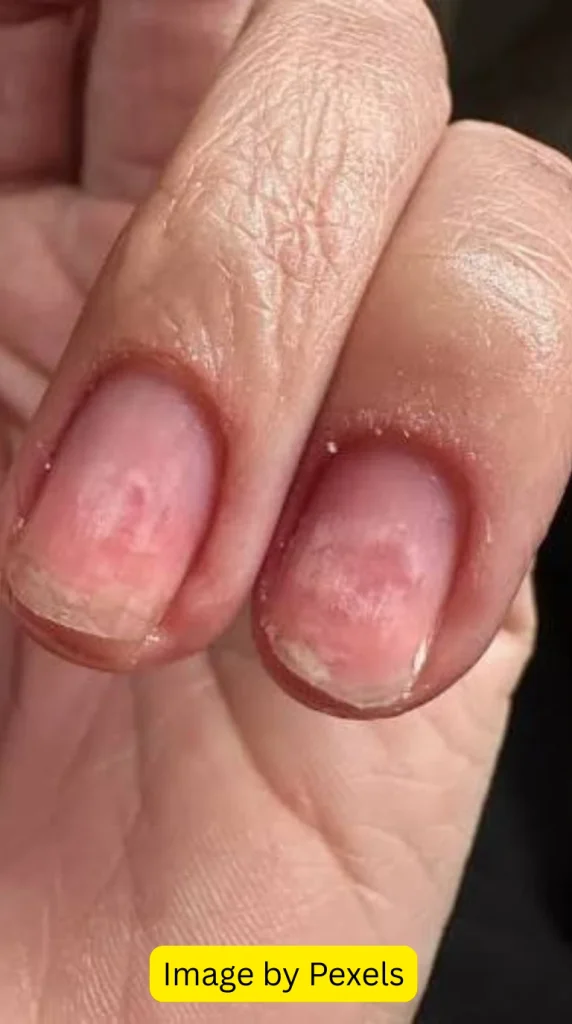
Here are some common reasons nails may feel weak after gel polish:
1. Peeling or Picking Off Gel Polish
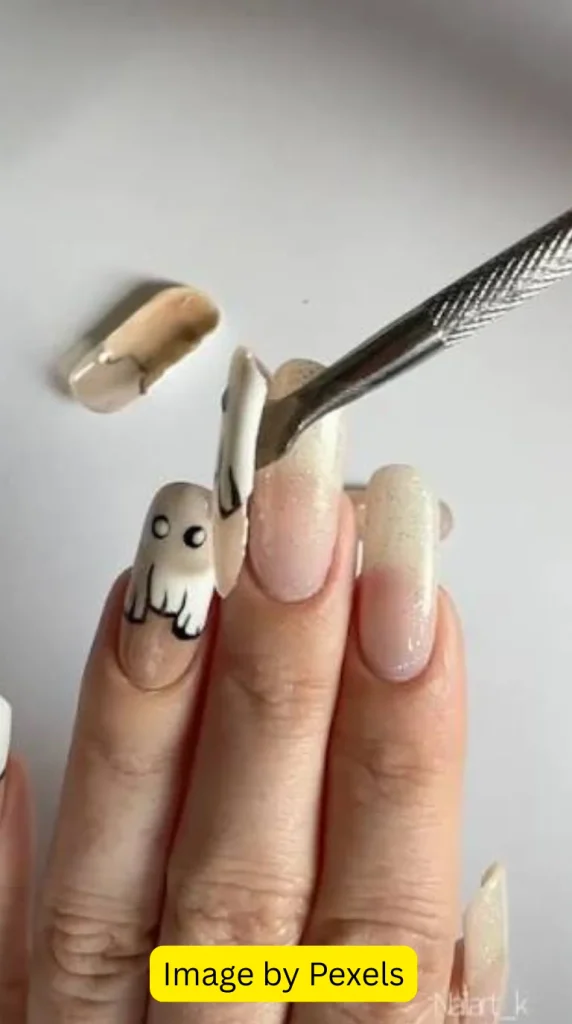
When gel polish starts lifting, it can be tempting to peel it away.
However, pulling off gel polish can remove layers of your natural nail along with it. This may leave the nail surface rough, thin, or prone to splitting.
2. Aggressive Filing
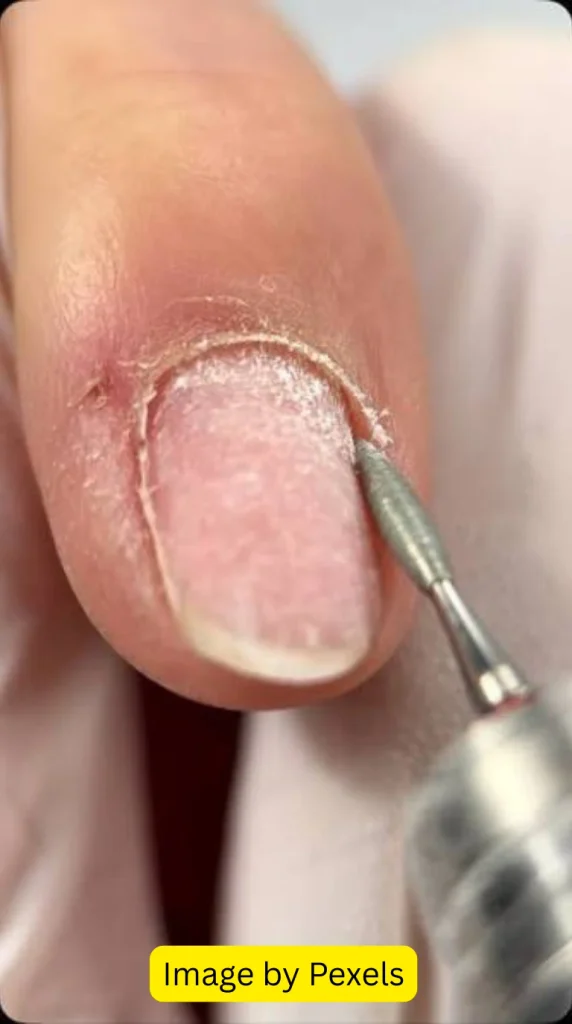
Some gel products require filing during application or removal. Filing too deeply can remove layers of the natural nail.
Using an electric nail drill without proper training can also damage the nail plate.
3. Repeated Acetone Exposure

Acetone is commonly used to remove soak-off gel polish. Although it is effective, it can dry the surrounding skin and leave nails feeling less comfortable.
Using acetone repeatedly without moisturizing afterward may contribute to dryness.
4. Frequent Gel Manicures

Repeated gel manicures can leave nails more vulnerable to brittleness, peeling, and cracking.
If you notice recurring nail problems, taking a break from gel polish may help you avoid further damage.
The American Academy of Dermatology recommends giving nails a break from gel polish and moisturizing nails and cuticles between manicures.
How to Repair Damaged Nails After Gel Polish
You cannot instantly restore a damaged nail plate, but you can protect your nails while they grow. Follow these gentle nail-care steps.
Step 1: Take a Break From Gel Polish
The first step is to stop applying gel polish while your nails are damaged.
Give your natural nails time without gel polish, acrylics, or other enhancements. This allows you to monitor their condition and avoid additional filing or removal.
If you still want a little color, regular nail polish may be an option as long as your nails are comfortable and the polish does not irritate them.
The American Academy of Dermatology recommends taking a nail-polish break for one to two weeks or longer between gel manicures.
Step 2: Keep Your Nails Short

Long nails can catch on clothing, hair, or other objects, making peeling and splitting more noticeable.
If your nails are weak, keep them at a manageable length while they grow.
Use clean nail clippers to trim them gently. Avoid cutting too close to the skin or filing aggressively.
Step 3: Moisturize Your Nails and Cuticles
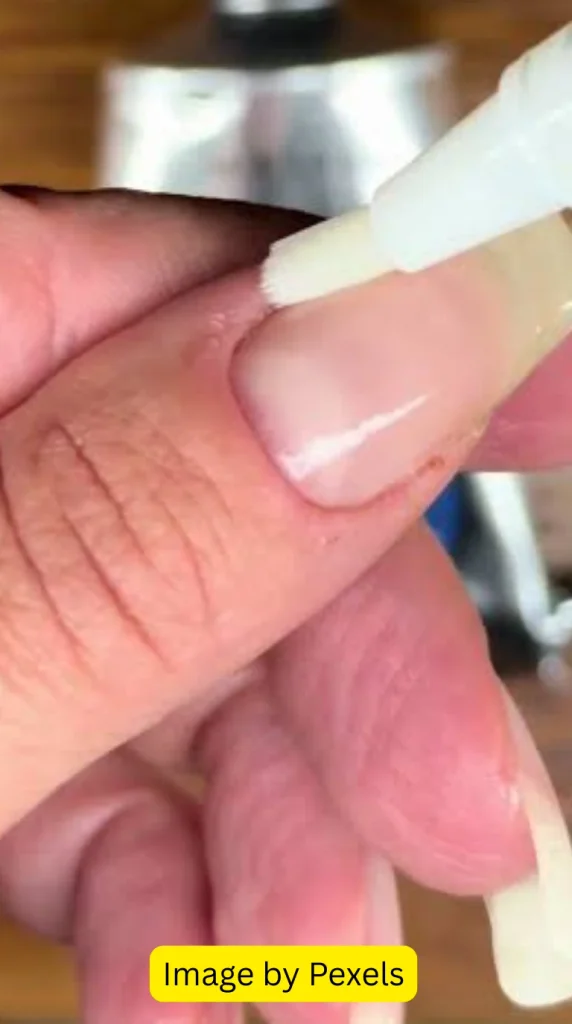
Moisturizing is one of the simplest ways to care for nails that feel dry after gel polish.
Apply a moisturizing product such as petroleum jelly to your nails and cuticles several times throughout the day.
You can also use a cuticle oil or hand cream to help keep the surrounding skin comfortable.
Try applying moisturizer:
- After washing your hands
- Before going to bed
- After removing nail polish
- Whenever your nails or cuticles feel dry
Moisturizing can help reduce dryness and brittleness, but it does not instantly repair structural damage within the nail.
Step 4: Avoid Picking, Peeling, or Scraping

If you notice a rough patch or a small piece of gel polish left behind, do not pick at it.
Picking and scraping can remove additional layers of the natural nail.
If gel polish remains firmly attached, use an appropriate removal method for that product or seek professional removal.
For a step-by-step removal process, read our guide: How to Remove Gel Nail Polish at Home Without Damaging Your Nails.
Step 5: Protect Your Nails During Everyday Activities

Everyday tasks can expose nails to water, cleaning products, and repeated friction.
To help protect your nails:
- Wear protective gloves when washing dishes or using household cleaners.
- Avoid using your nails to open packages or scrape surfaces.
- Keep nails clean and dry.
- Use moisturizer after washing your hands.
- Avoid cutting or forcefully pushing back your cuticles.
These habits can help reduce additional stress on already fragile nails.
Step 6: Let Healthy Nail Growth Replace the Damaged Portion
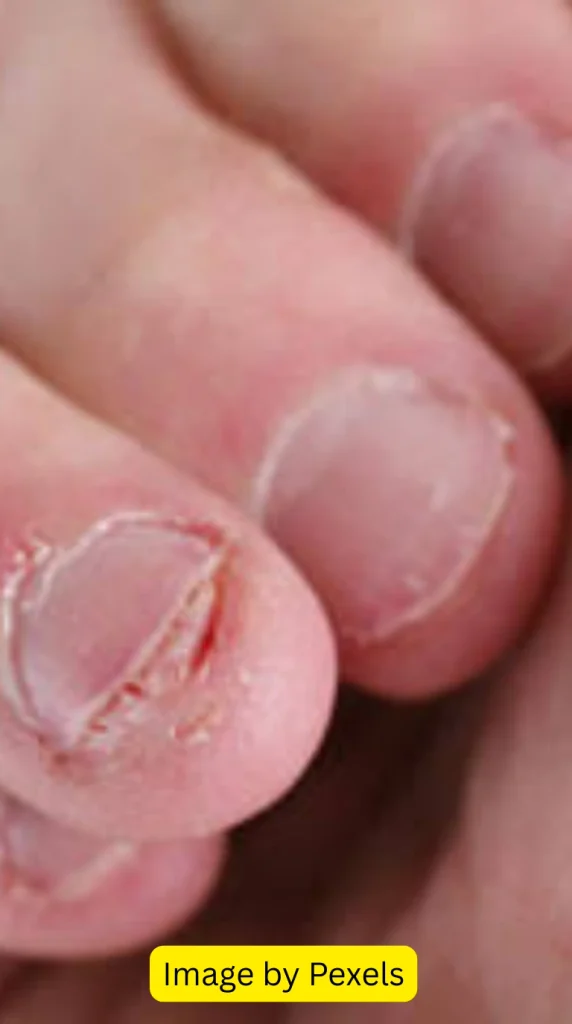
The nail plate is made of keratin and grows gradually from the nail matrix beneath the base of the nail.
Damage that has already occurred in the nail plate cannot be instantly reversed with a cream or oil. As the nail grows, the damaged portion can gradually move toward the tip and be trimmed away.
Fingernails typically take about six months to grow out completely, although growth varies from person to person.
Best Nail-Care Products for Damaged Nails After Gel Polish
You do not need an expensive collection of nail products to care for damaged nails. A few basic items can support a gentle routine.
| Product | What It Can Help With | What It Cannot Do |
|---|---|---|
| Petroleum jelly | Helps reduce moisture loss and protect dry skin | Cannot instantly rebuild a damaged nail |
| Cuticle oil | Helps condition cuticles and surrounding skin | Cannot reverse nail-plate damage |
| Hand cream | Helps moisturize hands and surrounding nail skin | Does not make damaged nails grow back instantly |
| Nail clippers | Help maintain a shorter, manageable nail length | Do not repair damage within the nail |
| Gentle nail file | Can smooth a rough free edge when used carefully | Should not be used to file away damaged nail layers |
The most useful approach is to moisturize regularly, avoid further trauma, and allow the nail to grow.
How Long Does It Take for Nails to Recover After Gel Polish?
Nail recovery depends on how much damage has occurred and how quickly your nails grow.
Dryness around the cuticles may improve with regular moisturizing. However, visible damage within the nail plate usually needs time to grow out.
Here is a general guide:
| Nail Concern | What to Expect |
|---|---|
| Dry cuticles | May feel more comfortable with regular moisturizing |
| Rough nail surface | May gradually move toward the nail tip as the nail grows |
| Peeling at the free edge | May be easier to manage by keeping nails short |
| Thin or brittle nails | May need a break from gel polish and protection from further damage |
| Significant nail damage | May take several months to grow out completely |
Fingernails generally take around six months to grow out. Toenails usually take much longer. Individual growth rates vary.
What to Avoid When Your Nails Are Damaged
Some popular nail-care habits can make damaged nails worse.
Avoid Nail Hardener as a Quick Fix
Nail hardeners may make nails feel stiffer, but increased stiffness is not always beneficial. Some products can make nails more prone to breaking.
If your nails are already damaged, focus on gentle care rather than trying to make them instantly hard.
Avoid Aggressive Buffing
Buffing can temporarily make the nail surface look smoother, but excessive buffing removes layers of the nail plate.
Do not aggressively buff peeling or thin nails.
Avoid Applying Artificial Nails to Hide Damage
Covering damaged nails with gel, acrylic, or other enhancements may make it harder to monitor their condition and could worsen existing problems.
Give your nails a break if they are weak, painful, or visibly damaged.
Avoid Unproven Home Remedies
You may see suggestions involving lemon juice, toothpaste, or other household ingredients.
There is no need to use harsh or irritating ingredients on already damaged nails. A simple moisturizing routine and protection from further trauma are more practical choices.
Frequently Asked Questions
Can damaged nails from gel polish be repaired?
Nails can recover as they grow, but damage within the existing nail plate cannot be instantly reversed. Moisturizing and protecting your nails can help reduce dryness and prevent additional damage while the damaged portion grows out.
How do I make my nails stronger after gel polish?
Keep nails at a manageable length, moisturize your nails and cuticles regularly, avoid picking or peeling, and take a break from gel polish if your nails are weak or brittle.
Does cuticle oil repair damaged nails?
Cuticle oil can help condition the cuticles and surrounding skin. It may improve the feel of dry nails, but it cannot instantly repair structural damage to the nail plate.
Should I use nail hardener after gel polish?
Nail hardeners are not a guaranteed solution for damaged nails. Some can make nails feel stiffer, which may increase the risk of breakage. Focus on gentle care and protection instead.
How long should I wait before getting another gel manicure?
If your nails are damaged, wait until they have grown out and feel healthy before considering another gel manicure. The American Academy of Dermatology recommends taking a break from gel polish, especially if you experience recurring nail problems.
Why are my nails peeling after removing gel polish?
Peeling can happen when layers of the natural nail are removed during picking, scraping, or aggressive filing. Repeated gel manicures and removal may also contribute to brittleness and peeling.
When should I see a dermatologist about damaged nails?
Seek professional advice if you have persistent pain, swelling, unusual discoloration, nail separation, or a continuing rash around your nails. These changes may need evaluation rather than home nail care alone.
Final Thoughts
If your nails feel damaged after gel polish, the best approach is to give them time, moisture, and protection.
Take a break from gel manicures, keep your nails at a manageable length, moisturize your nails and cuticles regularly, and avoid picking or scraping away leftover polish.
Remember that nail care is about protecting healthy growth—not finding a product that instantly reverses damage. As the damaged portion grows out, you can gradually trim it away.
If your nails continue to hurt, change color, separate, or show signs of irritation, consult a dermatologist.
Read our more guides
- How to Remove Gel Nail Polish at Home Without Damaging Your Nails
- Short Birthday Nail Designs
- Easy Birthday Nails
